Dental Crowns Southgate CA: A Solution for Function and Beauty

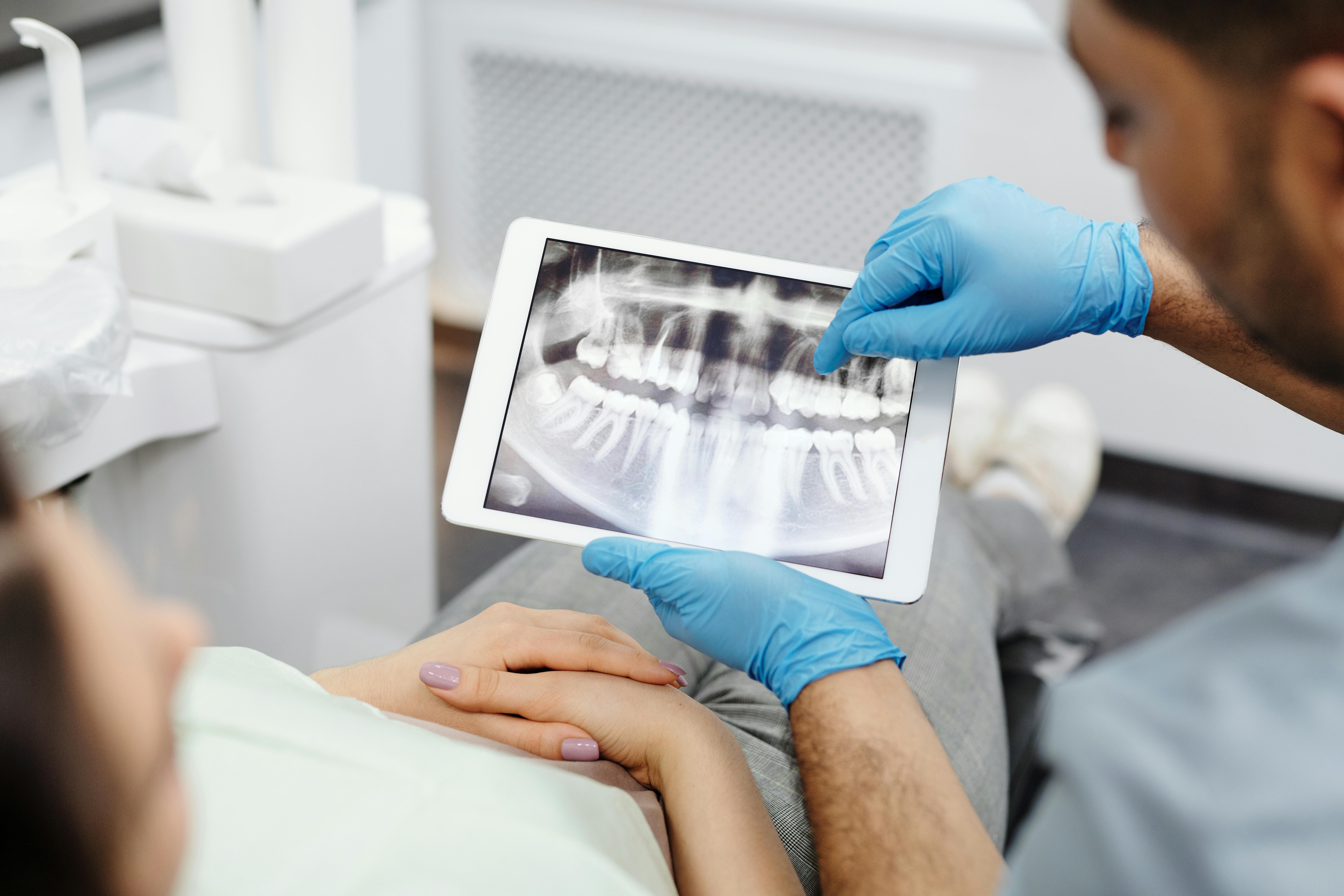
A damaged tooth changes more than a smile. It changes how a person chews, how they speak, and often how confident they feel in ordinary moments. Someone with a cracked molar may start chewing on one side without realizing it. A person with a worn front tooth may smile with lips closed in photos for months. These shifts seem small at first, but they add up.
That is where dental crowns earn their reputation. A well-made crown can restore strength to a weakened tooth, protect it from further damage, and bring back a natural appearance that blends with the rest of the smile. For many patients searching for Dental Crowns Southgate CA, the goal is not simply to repair a tooth. The goal is to return to normal life without thinking about that tooth every time they eat, laugh, or talk.
Crowns are common in modern dentistry, but they are not one-size-fits-all. The best results come from understanding when a crown makes sense, what type of crown fits the situation, and what the process actually feels like from start to finish.
What a dental crown really does
A dental crown is a custom restoration that covers the visible portion of a tooth. Think of it as a carefully shaped cap that fits over a prepared tooth structure. Once bonded or cemented in place, it helps restore the tooth’s shape, size, strength, and appearance.
That sounds straightforward, but the reason a crown works so well is that it solves several problems at once. It can reinforce a tooth that has lost too much structure to hold a simple filling. It can protect a tooth after root canal treatment, when the inner infection has been addressed but the remaining tooth is more brittle. It can also improve cosmetics when a tooth is badly discolored, misshapen, or worn down.
In practice, the real value of a crown is that it respects both biology and mechanics. Teeth take significant force every day. Molars endure repeated pressure from chewing, grinding, and clenching. Front teeth deal with biting, speech, and appearance. If a tooth has been compromised, the restoration needs to handle those demands without creating new problems. A properly designed crown distributes force more predictably than a large filling in many cases.
When a crown is usually the better choice
Some teeth can be repaired conservatively with bonding or a filling. Others cannot. That distinction matters, because preserving healthy tooth structure is always the ideal. A crown becomes the more responsible option when the remaining tooth is too weak, too fractured, or too compromised to be reliable with a simpler restoration.
Common situations include:
- a tooth with a large cavity that has undermined the cusps
- a cracked tooth that hurts with chewing
- a tooth after root canal therapy
- severe wear from grinding or acid erosion
- a cosmetic issue too extensive for bonding or veneers alone
The judgment is rarely based on one factor. Size of the old filling, location in the mouth, bite force, presence of cracks, and the patient’s habits all influence the recommendation. A back tooth in a heavy grinder, for example, often needs a more protective restoration than a front tooth with a small chip.
I have seen patients wait too long because the tooth does not hurt constantly. Pain is a poor measuring stick. Some badly compromised teeth are quiet right up until a cusp breaks off during dinner. At that point, what might have been a straightforward crown can become a root canal, crown lengthening, or even an extraction. Timing matters.
Crowns are not only about saving teeth, they are also about appearance
There is a practical side to crowns, but the cosmetic side should not be underestimated. A crown can transform a tooth that looks dark, uneven, short, or misshapen, especially when it is fabricated with attention to shade, translucency, and contour.
The best cosmetic crowns do not look like crowns. They look like healthy teeth. That means the surface texture should match neighboring teeth, the color should not be too flat or too white, and the shape should fit the person’s face and smile. Small details matter. A front tooth crown that is just slightly too opaque can stand out under daylight. A crown that is too bulky near the gumline can look artificial and make hygiene harder.
Patients searching for Dental Crowns Southgate CA often care about both durability and appearance, and they should. A strong crown that looks unnatural is only half a success. A beautiful crown that chips under normal function is also incomplete treatment. The best dentistry balances both.
Materials matter more than most people realize
Not all crowns are made from the same material, and the right choice depends on location, bite, cosmetic expectations, and budget. There is no universal winner.
All-ceramic and porcelain crowns are popular because they can look very natural. They are often a strong choice for front teeth, where translucency and color matching are especially important. Modern ceramics have improved significantly, and many can also perform well on back teeth when selected carefully.
Zirconia crowns are known for strength. They are often used on molars and in patients with heavier bite forces. Some zirconia restorations can look excellent, though material selection and lab quality still matter. Not every zirconia crown looks the same, and not every case benefits from the strongest material if esthetics are the top priority.
Porcelain fused to metal crowns have been used for decades. They can be durable and functional, though they may not offer the same esthetic result as newer all-ceramic options, especially near the gumline over time. In some situations they remain practical, particularly where space is limited or strength needs are specific.
Gold or other high noble alloy crowns are still respected in dentistry, especially for back teeth. They wear in a tooth-friendly way and can last a very long time. The drawback, of course, is appearance. Most patients today prefer tooth-colored options unless the crown sits far back and cosmetics are not a concern.
The right material is a case-by-case decision. A patient with a deep bite and a history of grinding may need a different solution than someone replacing an old crown on an upper lateral incisor. This is where experience matters, because the material should fit the mouth, not the trend.
What the process usually feels like
For many people, the word crown sounds more intimidating than the actual appointment. In a routine case, the process is very manageable. The tooth is numbed, shaped to create space for the crown, and scanned or impressed so the final restoration can be made with precision. A temporary crown is typically placed while the final one is being fabricated, unless the office offers same-day technology and the case is suitable for it.
The final appointment is usually simpler than the first. The temporary is removed, the fit and bite are checked, and the crown is cemented or bonded into place. Minor adjustments are common. The best fit often comes from a careful, patient approach rather than rushing through delivery.
Patients are often surprised by how much attention goes into the bite. That is not nitpicking. A crown that is even slightly high can create soreness, chewing discomfort, or jaw tension. One of the most overlooked parts of crown success is occlusion, meaning how the upper and lower teeth meet. When the bite is right, the crown disappears into daily life. When the bite is off, the patient feels it every time they chew.
The temporary crown stage deserves respect
Temporary crowns sometimes get treated like an afterthought, but they serve an important purpose. They protect the prepared tooth, maintain spacing, and let the patient function between visits. A good temporary also gives clues about shape, speech, and comfort, especially for front teeth.
That said, temporary crowns are not built for long-term use. They can come loose, wear quickly, or feel slightly different from the final restoration. Sticky foods are a common problem. Caramel, gum, and chewy candy can dislodge a temporary crown, sometimes at the worst possible time. If that happens, it is usually not a disaster, but it should be addressed promptly.
A patient once described the temporary phase as the “test drive” for the real crown, which is not a bad way to think about it. It is a short chapter, but it can reveal useful feedback before the permanent crown is cemented.
How long crowns last, realistically
Patients often ask for a lifespan in exact years, but dentistry rarely works that neatly. Many crowns last well over a decade. Some fail sooner because of decay at the margin, heavy grinding, poor hygiene, fractured tooth structure underneath, or simply the age of the restoration. Others last much longer than expected because the patient maintains them well and the original treatment was carefully executed.
A more honest answer is that longevity depends on several factors working together. The design of the crown matters. The health of the underlying tooth matters. The patient’s bite matters. Oral hygiene and regular exams matter. A beautifully made crown placed on a tooth with uncontrolled grinding and neglected cleanings will not reach its potential.
Good habits that support crown longevity include:
- brushing thoroughly along the gumline
- flossing around the crowned tooth every day
- wearing a night guard if grinding is present
- avoiding using teeth to open packages or bite hard objects
- keeping regular dental checkups for early detection of problems
Decay can still form around a crown, especially at the margin where crown meets tooth. That surprises some patients. A crown does not make a tooth invincible. It makes a vulnerable tooth more serviceable, but the underlying biology remains important.
The importance of fit, margins, and gum health
From a technical standpoint, some of the most important parts of a crown are the parts patients never really see. The margin, the edge where crown meets natural tooth, needs to be accurate and smooth. If the fit is poor, plaque collects more easily, the gum can stay irritated, and the risk of recurrent decay increases.
A crown should also respect the surrounding tissue. Overcontoured crowns, especially near the gumline, can trap debris and inflame the gums. Crowns that are too open between teeth can allow food impaction. Crowns that are too tight can make flossing miserable and discourage cleaning. These details sound small, but they shape the day-to-day success of the restoration.
Well-contoured crowns support healthy gums by making oral hygiene easier, not harder. In many cases, when patients say a crown “doesn’t feel right,” the issue is not just sensitivity. It may be contour, contact, or bite. Careful dentists listen closely to those descriptions because patients often detect subtle problems before they are visible on an x-ray.
Cost, value, and the question patients really mean to ask
When people ask how much a crown costs, they are usually asking something broader: is this worth doing, and why does the price vary so much?
Cost varies by region, material, complexity, whether a buildup or root Simple Dental South Gate Dental Crowns Southgate CA canal is needed, and whether insurance contributes. A straightforward crown is different from a case involving severe decay, gum management, or a tooth with very limited remaining structure. The fee reflects more than the object itself. It includes diagnosis, preparation, temporary restoration, laboratory work or milling, delivery, bite refinement, and follow-up when needed.
The better question is often about value. A crown that fits well, looks natural, preserves the tooth, and performs for many years offers value beyond the initial fee. A cheaper restoration that fails early, traps plaque, or leads to retreatment is not necessarily the bargain it first appears to be.
This matters in communities where families are trying to budget carefully. It is reasonable to discuss options. Sometimes there is more than one acceptable route. Sometimes a crown is clearly the most predictable choice. A trustworthy office explains the trade-offs plainly rather than pressuring the patient.
Crowns after root canal treatment
One of the most common reasons for crowns is root canal therapy. Once a tooth has had its inner nerve tissue removed and the canal system sealed, the infection issue may be addressed, but the tooth itself can become more fragile. Back teeth are especially vulnerable because they take the brunt of chewing forces.
A root canal tooth often has substantial lost structure from decay, old fillings, and access preparation. Without protection, the risk of fracture rises. This is why a crown is frequently recommended afterward, particularly for premolars and molars. Front teeth can be more variable, depending on how much natural structure remains and how the tooth functions in the bite.
Patients sometimes feel confused because the pain is gone after the root canal, so the tooth seems “fixed.” From an infection standpoint, maybe yes. From a structural standpoint, often not yet. The crown is what helps turn that treated tooth into something that can handle normal use again.
When a crown may not be the right answer
Crowns are excellent tools, but they are not magic. Sometimes a tooth is too damaged to restore predictably. A fracture that extends too far below the gumline may leave too little healthy tooth to support a crown. Advanced periodontal disease can also compromise the prognosis. In some cases, extraction and replacement with an implant or bridge may be the more realistic path.
There are also situations where a more conservative option should be considered first. A small chip on a front tooth may be better treated with bonding. Mild discoloration might respond to whitening. Slight shape concerns may be addressed with enamel recontouring or veneers, depending on the case.
Good dentistry is not about crowning every imperfect tooth. It is about choosing the least invasive treatment that still offers strength, function, and reliability. Patients benefit when the conversation includes what not to do, not just what can be done.
Why local care makes a difference
Choosing a provider close to home has practical value, especially for treatment that usually involves at least two visits and occasional follow-up. If a temporary comes loose, the bite needs a quick adjustment, or sensitivity needs evaluation, access matters. Convenience should not be the only factor, but it should not be dismissed either.
For patients looking up Dental Crowns Southgate CA, there is another advantage to local care: continuity. A practice that sees you regularly can compare old x-rays, track wear patterns, monitor gum health, and notice when a crown recommendation is becoming more urgent. Dentistry works best when it is not episodic. A crown is one event in the larger story of maintaining the whole mouth.
Questions worth asking before moving forward
Patients do not need to become experts in crown design, but asking thoughtful questions can make decisions clearer. It is reasonable to ask why a crown is being recommended instead of a filling, what material is planned, whether there are cracks in the tooth, and how the bite or grinding habits may affect long-term success. It is also fair to ask what happens if treatment is delayed.
Clear answers build trust. Vague answers usually do not.
One of the best signs of a thoughtful dental recommendation is specificity. “This old filling is taking up most of the tooth, and the back cusp has a visible crack” is better than “you need a crown because it’s standard.” Patients deserve reasons tied to their own condition.
Living with a crown afterward
Once the final crown is placed and adjusted, most patients stop noticing it within days. That is exactly what should happen. A successful crown should feel like part of the mouth, not a foreign object.
There may be brief sensitivity to temperature or pressure at first, particularly if the tooth was deeply restored before treatment. Mild tenderness around the gums can also occur after the preparation appointment. Those symptoms typically settle. Persistent pain, sharp biting discomfort, or a sensation that the tooth hits first should be checked.
Long term, daily care is straightforward. Brush well, clean between the teeth, and protect the crown from unnecessary abuse. If there is a night guard recommendation, take it seriously. Grinding destroys natural teeth and restorations alike, often slowly enough that people do not recognize the pattern until damage is advanced.
A crown does not ask for special treatment. It asks for consistent care.
A restoration that supports both confidence and comfort
The best crown work often goes unnoticed by everyone except the patient who remembers life before it. The cracked molar no longer sends a jolt during lunch. The dark, heavily filled front tooth no longer draws attention in conversation. The person stops avoiding one side of the mouth. They smile without planning the angle first.
That is why crowns remain one of the most useful restorations in dentistry. They solve practical problems, but they also restore a sense of ease. For patients considering Dental Crowns Southgate CA, the decision is often about more than repairing enamel. It is about protecting a tooth that still has years of service to give and making it look and feel right again.
When the diagnosis is sound, the material is chosen wisely, and the details of fit and bite are handled with care, a crown can be one of the most satisfying treatments in the dental office. It reinforces what good restorative dentistry should always aim for, strength where it is needed, beauty where it matters, and comfort that lets patients get on with their lives.
Simple Dental South Gate
Address: 8617 California Ave, South Gate, CA 90280
Phone number: +13236896118
FAQ About Dental Crowns Southgate CA
How much do crowns cost per tooth?
In the United States, a single dental crown typically costs between $800 and $2,500 per tooth without insurance. The ultimate out-of-pocket price depends heavily on the crown material, the location of the tooth, and whether you have dental insurance coverage.
What is the downside of crowns on teeth?
The primary downside of a dental crown is that the procedure permanently removes natural tooth enamel to shape the tooth for the cap.
Why do dentists push for crowns?
Dentists recommend crowns because a large filling cannot provide enough strength when a tooth loses a major portion of its structure or faces heavy chewing pressure.