How Dentists Replace Old Dental Crowns
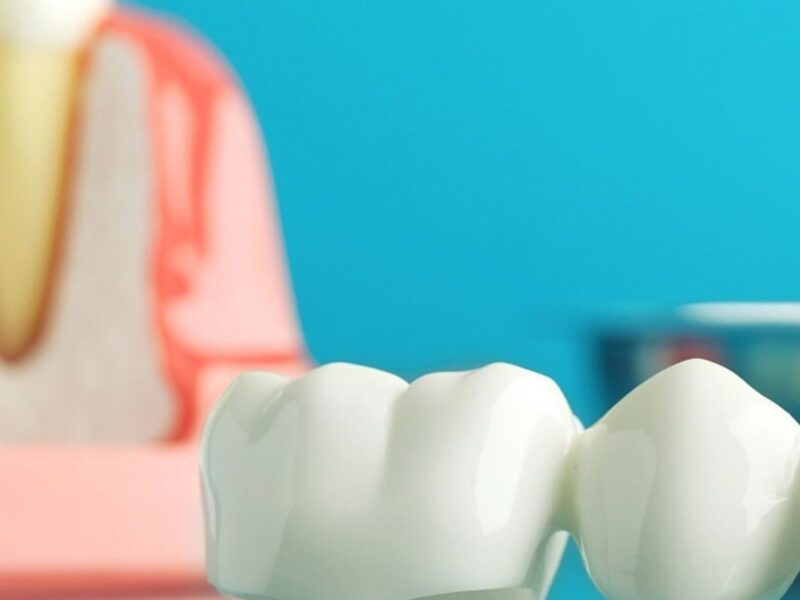
A dental crown can serve quietly for years, sometimes well over a decade, until one day it stops fitting the way it should. Patients often notice it first in small ways. Food starts catching at the edge. Floss shreds. A dull ache shows up when biting. Sometimes the crown itself still looks intact, which makes the problem confusing. If the tooth is covered, why would anything need to be done?
That question comes up often in practice, and the answer is usually simple. A crown is durable, not permanent. The porcelain or zirconia may hold up well, but the tooth underneath can still change. Cement can wash out. Decay can sneak in at the margin. Gum tissue can recede and expose edges that were once tucked neatly below the gumline. A crown that looked excellent ten years ago may now be the weak point in the bite.
Replacing an old crown is rarely just a matter of popping one off and gluing on another. The process is part detective work, part technical reconstruction. The dentist has to determine why the crown failed, whether the tooth underneath is still strong enough to keep, and what kind of new restoration will give the best long-term result. When it is done properly, crown replacement feels deliberate and conservative, not rushed.
Why old crowns need to be replaced
Most dental crowns are replaced for one of a few recurring reasons. The first is leakage at the margin, which is the seam where the crown meets the tooth. That seam is small, but it matters. If it opens even slightly, bacteria can collect there and create recurrent decay. Patients sometimes imagine a crown seals the tooth like a cap on a bottle. It does not. It depends on a very precise fit and healthy surrounding tooth structure.
Another common reason is fracture. Porcelain can chip. Older all-ceramic crowns can crack. Even metal-based crowns, which are often extremely durable, can develop issues if the underlying tooth weakens or the bite changes. I have seen crowns that looked almost indestructible from the outside but came off with a large area of decayed tooth attached inside, which made it clear the problem had been developing for quite a while.
Then there are biological reasons. Gums change with age, oral hygiene habits, and health conditions. A crown margin that was hidden and easy to keep clean at age forty may be exposed and plaque-prone at age fifty-five. If a patient has clenching or grinding habits, the crown may also be taking forces it was never designed to handle. The crown itself may not be the only issue. The entire system around it can shift.
Cosmetics play a role too, though usually a secondary one. A dark line near the gum on an older porcelain-fused-to-metal crown, mismatched color compared with adjacent teeth, or bulky shape may lead someone to seek replacement. In those cases, the dentist still has to evaluate health before appearance. A beautiful crown on a compromised tooth is short-term dentistry.
The first appointment is often about diagnosis, not treatment
Patients are sometimes surprised that a dentist does not commit immediately to replacing a crown on the first look. A careful evaluation matters because the treatment can change significantly depending on what is found.
The dentist begins with a clinical exam. That includes checking whether the crown is loose, whether the tooth is tender to pressure or temperature, and whether the surrounding gum tissue is inflamed. Small clues matter. Bleeding at one margin may suggest a ledge or open margin trapping plaque. A vertical crack line in the porcelain may point to deeper stress. Mobility can suggest a problem with the root, the bite, or the supporting bone.
X-rays are almost always part of the process. They do not show everything, especially if a crown is made of dense material, but they help reveal decay under the edges, bone levels, root canal status, and any signs of infection. If the tooth already has a root canal and post, the dentist wants to know whether that foundation is sound before investing in a new crown. If the tooth has not had root canal therapy, vitality testing may be needed to check whether the nerve is still healthy.
Bite analysis is easy to underestimate. A crown that repeatedly chips or loosens may be less a materials problem and more a force problem. If the patient grinds heavily at night, the replacement plan may need to include bite adjustment or a night guard. Ignoring that part is one reason some crowns fail earlier than they should.
At this stage, the dentist is asking three practical questions. Can the tooth be saved predictably? Is there enough healthy tooth left to hold a new crown? What caused the old crown to fail in the first place? If those questions are answered well, the replacement tends to go smoothly. If they are skipped, problems often repeat.
Removing an old crown takes more care than many patients expect
Taking off an old crown is not always dramatic. Sometimes the crown is already loose and lifts off with little effort. More often, it is still firmly bonded or cemented, and the dentist has to section it carefully.
The goal is to remove the crown while preserving as much remaining tooth structure as possible. That is especially important if the tooth has already been prepared once, maybe twice. Every replacement crown usually means a little more loss of natural tooth, and experienced dentists try to be conservative.
For metal or porcelain-fused-to-metal crowns, the dentist often cuts a slot through the crown and gently expands it to break the seal. For ceramic crowns, sectioning is common as well, though the technique varies with the material. Zirconia, for example, is strong and can take longer to cut than patients expect. That is one reason crown removal can sound and feel more involved than placing a simple filling.
Once the crown is off, the real condition of the tooth becomes visible. This is often the moment when a straightforward plan is either confirmed or revised. A tooth that looked fine on the x-ray may have a hidden cavity at the margin. A seemingly minor chip may reveal a fracture running deeper than expected. Occasionally, the tooth underneath is in better shape than feared, which is always welcome news.
What dentists look for once the crown is off
The exposed tooth tells the story. Dentists check for recurrent decay first, because that is one of the most common reasons for replacement. Decay under a crown can range from superficial to extensive. If it is limited, the area can be cleaned and rebuilt. If it extends deeply below the gum or into the root area, Dental Crowns the treatment becomes more complex and the long-term outlook may change.
The second concern is structural integrity. A crown needs a stable core of tooth to grip. If much of the remaining tooth has broken down, the dentist may need to place a core buildup, which is essentially a bonded foundation that replaces missing tooth structure. If there is too little sound tooth above the gumline, retention becomes a concern. In those cases, crown lengthening or orthodontic extrusion may be discussed, though not every tooth is a good candidate.
Cracks are a separate issue. Some are limited to the old buildup or the outer enamel, while others extend into dentin or down the root. A crack that travels too far below the gumline can turn a restorable tooth into a tooth with a poor prognosis. This is one of the harder conversations in dentistry, because the patient arrived expecting a new crown and learns that the better option may be extraction and replacement with an implant or bridge.
The dentist also inspects the old cement, the margin design, and the shape of the preparation. Sometimes an old crown failed not because of neglect or bad luck, but because the original preparation was too short, too tapered, or difficult to clean. In those cases, the new plan may require reshaping the tooth more ideally before a new crown is made.
Sometimes the tooth needs more work before a new crown
Replacing a crown is not always a single-step procedure. If the underlying tooth has decayed, broken, or lost too much internal support, additional treatment often comes first.
A tooth with deep decay near the nerve may need root canal treatment before a new crown is made. That does not mean the original crown caused the root canal, but it often means bacteria found a pathway under the margin and irritated or infected the pulp. Once the nerve is involved, simply changing the crown does not solve the problem.
If there is not enough tooth left to support a crown, the dentist may place a post and core, particularly on a root canal treated tooth. Posts are not used to strengthen roots, despite what many patients assume. Their main purpose is to help retain the core when little coronal tooth remains. Used carefully, they can be valuable. Used unnecessarily or aggressively, they can increase fracture risk. This is one of those areas where judgment matters more than formulas.
When the tooth breaks near or below the gumline, crown lengthening may be considered. That procedure recontours gum and bone to expose more tooth structure so the new crown can seal properly. It is not ideal for every smile zone tooth, because changing gum levels can affect appearance. Still, for the right case, it can turn an otherwise questionable tooth into a maintainable one.
The new crown starts with rebuilding the foundation
Once the tooth is deemed restorable, the dentist prepares it for the next crown. If old decay or defective buildup material was removed, the tooth may first need a new core. Think of it as rebuilding the shape the crown will sit on. A well-made core does more than fill space. It supports the Dental Crowns final restoration, distributes force, and allows the crown margin to be placed on clean, solid tooth structure.
After that, the dentist reshapes the tooth. This step has to balance several goals at once. There needs to be enough room for the crown material, whether porcelain, zirconia, or metal. The margins need to be clean and accessible. The shape must allow the crown to stay on under function, which means the walls cannot be too smooth or too short. At the same time, the dentist wants to preserve as much healthy tooth as possible.
That balancing act is where experience shows. Overprepared teeth are weaker. Underprepared teeth force the laboratory to make bulky crowns or thin weak crowns. Neither is desirable. The best preparations are rarely dramatic. They are precise, controlled, and adapted to the specific tooth.
Impressions, digital scans, and temporary crowns
After preparation, the dentist records the shape of the tooth and surrounding bite so the final crown can be fabricated. Some practices use traditional impressions, others use digital scanners, and many use both depending on the case. Digital scanning has improved crown dentistry considerably, especially for single units and clearly visible margins, but technique still matters more than the device itself. A poor scan is no better than a poor impression.
If the final crown is not being made and delivered the same day, the patient receives a temporary crown. Temporary crowns do more than fill the space. They protect the prepared tooth, maintain position, support gum shape, and let the patient function normally between visits. A well-fitting temporary is a sign of careful work.
Patients often ask whether the temporary should feel exactly like the final crown. Usually not. It should feel comfortable and functional, but the final crown is stronger, smoother, and more refined in contour and contacts. Still, a temporary can provide useful feedback. If the bite feels too high or the shape irritates the gums, the dentist can make note of that before the definitive crown is cemented.
Choosing the material for the replacement crown
Not every replacement crown should be made from the same material. The dentist chooses based on tooth position, bite forces, appearance, available space, and the condition of the underlying tooth.
Here are the materials most commonly considered:
- Porcelain-fused-to-metal crowns, which are durable and time-tested, though they can show dark margins over time.
- Zirconia crowns, which are strong and popular for back teeth and for patients who clench.
- Lithium disilicate or other esthetic ceramics, which can look very natural, especially in visible areas.
- Full metal crowns, less common now for visible teeth, but still excellent in some back-tooth situations where longevity matters most.
- Gold alloy crowns, which remain one of the most durable and tooth-friendly options when appearance is not a priority.
Material selection is not just about strength versus looks. Margin design, bonding protocol, opposing teeth, and the amount of remaining tooth all matter. For example, a highly esthetic ceramic may be perfect for an upper front tooth with plenty of enamel and controlled bite forces, while a heavily worn lower molar in a night grinder may do better with monolithic zirconia. The right answer is specific to the case.
Cementation day is about fit, bite, and seal
When the final crown comes back from the laboratory, the dentist does not simply place it and hope for the best. Fit is checked at multiple levels. The margins must sit flush. The contact with neighboring teeth has to be snug enough to prevent food trapping but not so tight that floss shreds or cannot pass. The bite is adjusted carefully, especially for patients with heavy function.
This visit can look quick from the chair, but it depends on meticulous steps. The inside of the crown may need cleaning or conditioning. The tooth is isolated and prepared according to the cement or bonding system being used. Some crowns are conventionally cemented, others are bonded more adhesively. The distinction matters because certain ceramics rely on specific bonding protocols for optimal retention and strength.
Once seated, the crown is checked again after excess cement is removed. Tiny discrepancies become obvious only after the crown is fully in place. Good dentists recheck the bite from several angles, because a contact that feels minor in the office can become very noticeable after the numbness fades.
What patients feel after a crown replacement
A replaced crown often feels slightly strange for a few days, even when it is technically excellent. The tongue is remarkably sensitive to small changes in contour. Mild gum tenderness is common, especially if the old crown had to be sectioned off or if the new margin sits close to the gum.
Temperature sensitivity can happen too, particularly if the tooth is still vital and had significant work done underneath. That sensitivity usually settles. Persistent pain with biting, spontaneous throbbing, or a feeling that the tooth is too high deserves a prompt recheck.
The aftercare advice is usually straightforward, but the first week matters. Patients should be sensible with very sticky foods until they know the crown feels stable and comfortable, and they should resume normal brushing and flossing unless told otherwise. A new crown still needs excellent hygiene at the margin. Replacing an old crown fixes a problem, it does not remove the need for maintenance.
When replacing a crown becomes more complicated
Some of the most difficult crown replacements are retreatment cases with limited tooth structure and a long history. A crown that has been redone multiple times often sits on a progressively smaller foundation. At some point, the question stops being, “Can we make another crown?” and becomes, “Should we?”
A few signs push that conversation in a more guarded direction:
- decay extending far below the gumline
- a root fracture or deep crack
- severe loss of ferrule, meaning too little healthy tooth above the gum
- repeated crown dislodgement from poor retention
- persistent infection or failed root canal status
Those situations do not always mean the tooth is hopeless, but they do change the risk-benefit calculation. Sometimes the most honest recommendation is to move away from another crown and toward extraction with implant replacement, or in some cases a bridge or removable option. Good dentistry is not about saving every tooth at any cost. It is about choosing the option with the best chance of serving the patient well over time.
How long replacement crowns last
Patients naturally want a number. The truthful answer is that replacement crowns vary widely in lifespan. Many do well for ten to fifteen years or longer. Some fail much sooner, not because the dentistry was poor, but because the underlying tooth was already compromised, the bite was destructive, or hygiene challenges persisted.
A first crown on a strong tooth generally has a better long-term outlook than a second or third crown on a heavily restored tooth. That is simply the biology of retreatment. Every cycle of decay removal and preparation tends to leave less original tooth behind. This is why dentists often sound cautious when discussing replacement. The crown is being renewed, but the tooth is aging.
Patients can improve their odds substantially by controlling plaque, attending regular recalls, managing grinding habits, and not ignoring early warning signs. A small problem at a crown margin is usually easier and less expensive to handle than a large one discovered only after pain or fracture.
What good crown replacement looks like from the patient’s side
From the chair, successful crown replacement usually feels uneventful. The old crown comes off without drama. The dentist explains what was found. The temporary is comfortable. The final crown feels natural after a short adjustment period. There is no lingering food trap, no sharp edge, no persistent high bite. The gum looks calm, and floss slides through with gentle resistance.
That smooth experience depends on a lot of behind-the-scenes judgment. The dentist has to diagnose accurately, remove the old crown conservatively, decide whether the tooth needs additional treatment, rebuild the foundation properly, choose the right material, and deliver a restoration that works biologically and mechanically. It is one of those procedures that can look simple when it is done well.
Dental crowns remain one of the most useful tools in restorative dentistry, but their success has always depended on more than the crown itself. Margins, moisture control, bite forces, remaining tooth structure, and patient habits all shape the outcome. Replacing an old crown is a chance to correct what failed before and give the tooth a better second life. When that chance is handled thoughtfully, patients often get many more years from a tooth they were afraid they might lose.
Simple Dental South Gate
Address: 8617 California Ave, South Gate, CA 90280
Phone number: +13236896118
FAQ About Dental Crowns
How much do crowns cost per tooth?
In the United States, a single dental crown typically costs between $800 and $2,500 per tooth without insurance. The ultimate out-of-pocket price depends heavily on the crown material, the location of the tooth, and whether you have dental insurance coverage.
What is the downside of crowns on teeth?
The primary downside of a dental crown is that the procedure permanently removes natural tooth enamel to shape the tooth for the cap.
Why do dentists push for crowns?
Dentists recommend crowns because a large filling cannot provide enough strength when a tooth loses a major portion of its structure or faces heavy chewing pressure.